Caffeine is the most ergogenic legal substance you can take during a race, and most ultrarunners use it wrong. Below: a working protocol with citations to mistake-types, not studies.
The pre-race dose
3 mg of caffeine per kg of body weight, 60 minutes before the start. For a 70 kg runner, that’s 210 mg — about two strong cups of coffee, or one tall coffee + a 100mg pill.
This dose hits peak blood concentration around mile 5–6 and gives you 4 hours of clear performance lift. The effect is real and well-documented: ~3% improvement in time-trial performance, lower perceived effort, better focus.
Common mistake: taking it with breakfast at 4 AM. By 6 AM start time, you’re already past peak. Time the dose 60 minutes before gun, not before breakfast.
The mid-race pulses
Around hour 4 and hour 8, take 100 mg caffeine pills (or a caffeinated gel). The race-day caffeine strategy is “build a baseline, pulse over time.”
The mistake here is taking too much too often. Caffeine doesn’t stack linearly — 4 doses of 100mg in 4 hours doesn’t produce 4× the effect, it produces jittery hands and an upset stomach. Spacing matters.
The back-half rescue
Around hour 16–18, when motivation is at its lowest, take 200 mg of caffeine + a Coke + a 50-calorie sugar source. This combination produces the biggest mental swing of the race — going from “I want to drop” to “I can finish” in 20 minutes.
The mistake here is using this as a strategy from the start. Caffeine + sugar combo loses effectiveness if you’ve been dosing all day. Save the big rescue dose for the late-race emergency.
When NOT to use caffeine
Sleep races (200-milers). A 100-miler caffeine plan is 3 doses across 24 hours. A 200-miler is different — you’ll need to sleep at hour 38, and high circulating caffeine prevents the sleep that prevents hallucinations. Cut caffeine the moment you plan to sleep; restart only after you’ve slept.
Cold races where you’ll be peeing constantly. Caffeine is a diuretic. In cold conditions, your bladder is already working overtime; adding caffeine produces a 30-second pee stop every 45 minutes. Cut caffeine to half-doses or skip entirely.
If you’re caffeine-naïve. Don’t introduce caffeine on race day. The “untrained” gut tolerates it poorly. Practice the protocol on at least three long training runs before you race it.
The form factor
- Pills (NoDoz, ProPlus): $4 for 100, takes effect in 30 min. Cleanest delivery.
- Caffeinated gels (Maurten 100 caf, GU Roctane): dual-purpose — calories + caffeine. Slower kinetics than pills (~45 min to peak).
- Coke at aid stations: classic for a reason. ~30mg per 12 oz can, plus immediate sugar. Best for the back-half rescue.
- Coffee: unreliable dosing. Strong morning coffee = 100–200 mg depending on prep. Fine for pre-race; avoid mid-race.
The honest caveat
A 3% performance improvement is real but not transformative. Caffeine is the smaller half of fueling; carbs and sodium are the larger half. Don’t over-rotate to caffeine and skimp on calories — that’s the fastest way to a hard bonk.
Used correctly, caffeine is the cheapest race-day improvement available. Used incorrectly, it’s the reason you’re peeing every 30 minutes at hour 14 and crashed by hour 16.
What these sessions assume you are measuring with
Every pace, zone and power figure here needs something recording it. These three cover running, long days and the bike.
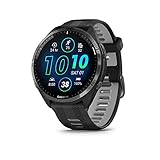 Garmin Forerunner 965
 AMOLED multisport with the training-load and threshold metrics most of these sessions assume you can see day to day.
Check price on Amazon → COROS APEX 2 Series GPS Watch
 Sapphire titanium and the longest battery in its class, which is the deciding feature once a day out runs past a few hours.
Check price on Amazon → Favero Assioma Uno Power Meter Pedal
 Single-sided pedal power, the cheapest honest entry into training with watts rather than estimating from heart rate.
Check price on Amazon →As an Amazon Associate we earn from qualifying purchases, at no extra cost to you.