Most race-day stomach issues started 36 hours before the gun. The bowl of fiber-heavy salad on Friday afternoon. The “trying something new” carb-load dinner. The pre-race-morning eggs because “eggs are protein and protein is good.” Below: a 48-hour pre-race meal protocol that works.
Two days out (Thursday for a Saturday race)
This is the day you should be carb-loading, not race-night.
Breakfast: oatmeal + banana + 1 tbsp peanut butter + maple syrup. Coffee. ~600 calories, mostly carbs.
Lunch: large pasta dish with marinara (low fat — no meat sauce, no cream sauce). Bread. ~900 cal. Skip the salad; fiber is your enemy this week.
Dinner: rice bowl with chicken or salmon. Vegetables that are cooked, not raw (steamed broccoli, sautéed zucchini). Bread, butter. ~1,000 cal.
Snacks throughout: pretzels, fig bars, yogurt with honey. Avoid: nuts, raw vegetables, beans, popcorn.
Hydration: 100+ oz of fluid. Add an electrolyte mix (Skratch, LMNT) to one bottle.
One day out (Friday)
Cut total volume but maintain carb percentage. Stop new foods. Stick to what you’ve eaten before.
Breakfast: same oatmeal as yesterday. Coffee.
Lunch: small pasta or rice. Half the portion of yesterday’s lunch. Bread.
Dinner (the famous “carb load”): modest portion. White pasta or rice + simple protein + a small dessert. NOT a giant restaurant pasta plate — that’s the dinner two nights ago. Tonight: enough to be satisfied, not full. ~700 cal.
Avoid Friday: carbonated drinks, alcohol (you should have stopped a week ago), anything new, restaurants you haven’t tested before, anything spicy.
Hydration: 80–100 oz. Stop fluid intake 90 min before bed; you don’t want to wake up to pee at 2 AM the night before race.
Race morning (4 AM for a 6 AM start)
Wake 3.5–4 hours before the gun. Coffee immediately (this gets the bowel moving while you have time to deal with it).
Breakfast 3 hours out: what you’ve trained on. The defaults that work for most:
- Bagel + nut butter + honey + banana (~600 cal)
- 2 packets oatmeal + maple syrup + banana (~500 cal)
- Toast + jam + protein shake (~450 cal)
Whatever you ate before your peak long runs — eat that.
90 minutes out: Skratch Hyper Hydration packet (or equivalent) + 200 mg caffeine + a small banana.
30 minutes out: half a gel + small sip of water. Keep stomach contents minimal.
At the gun: stomach should feel light, not empty. You did the loading yesterday and the night before; this morning is just topping off.
What to avoid (race morning specifically)
- Eggs (high protein, slow digestion — bad for race-day breakfast)
- Greasy meat (bacon, sausage)
- Fiber-heavy foods (whole grains, beans, raw fruit)
- Anything new (new gel flavor, new electrolyte mix, new bar)
- Excessive caffeine (200mg total before start; more comes mid-race)
The poop window
Most ultrarunners need to poop 2–3 times in race-week-morning. Plan for it.
- Wake 4 hours out (gives you 60 min of digestion before run)
- Coffee immediately on waking
- Eat 3 hours out
- First bathroom 2.5 hours out
- Second bathroom 90 min out
- Final bathroom 20 min before start
If your bowels haven’t moved by 90 min out, the standard protocol: drink another cup of coffee + a small handful of pretzels. The salt + caffeine combo usually triggers movement within 30 minutes.
The honest caveat
Every ultrarunner has slightly different gut tolerances. The above works for most, but if you’ve found something different that works for YOU through training — stick with it. Race morning is not the time to optimize.
The only race-morning rule that’s universal: nothing new. The breakfast you’ve eaten before every long run is the breakfast you eat race morning. Don’t get clever the day of.
What these sessions assume you are measuring with
Every pace, zone and power figure here needs something recording it. These three cover running, long days and the bike.
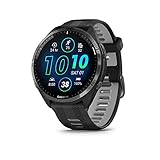 Garmin Forerunner 965
 AMOLED multisport with the training-load and threshold metrics most of these sessions assume you can see day to day.
Check price on Amazon → COROS APEX 2 Series GPS Watch
 Sapphire titanium and the longest battery in its class, which is the deciding feature once a day out runs past a few hours.
Check price on Amazon → Favero Assioma Uno Power Meter Pedal
 Single-sided pedal power, the cheapest honest entry into training with watts rather than estimating from heart rate.
Check price on Amazon →As an Amazon Associate we earn from qualifying purchases, at no extra cost to you.