The Marathon des Sables (MDS) is a six-stage, self-supported foot race across the Sahara Desert in southern Morocco, held annually in early April. Approximately 250 km total, broken into stages of 30–80 km each, including a 80–90 km "long stage" that takes most runners 12–24 hours. Runners carry all their food, sleeping gear, and required equipment for the week in a single pack — only water and tents are provided.
The stage format
The race shifts location every year but the rhythm is consistent:
- Stage 1: ~30 km. Easing in. Often dunes-heavy.
- Stage 2: ~38 km. The first big day.
- Stage 3: ~33 km. Mid-week grind.
- Stage 4: ~80–90 km. The long stage. 36-hour cutoff. Runners finish anywhere from 12 hours to overnight + the next day.
- Stage 5 (rest day): No racing. Recovery in the bivouac.
- Stage 6: ~42 km marathon stage to the finish line.
- Stage 7: A short charity stage.
By the numbers
- Total distance: ~250 km / 155 miles (varies year to year)
- Surface: dunes, hammada (rocky plateau), djebels (rocky hills), dry riverbeds
- Heat: 35–50°C (95–122°F) daytime; 5–15°C (40–59°F) nighttime
- Pack weight: 6.5–8 kg minimum required, plus daily water carried (1.5 L)
- Required calories: 14,000 kcal (2,000/day) per runner provided by themselves
- Water: rationed, 11–14 L per stage handed out at checkpoints
- Field size: ~1,300 runners
- Date: early April
Self-supported, exactly
"Self-supported" at MDS means you carry every calorie you'll consume for seven days. Race organization provides:
- Open-sided Berber tents (8 runners per tent) at each bivouac
- Daily water rations (handed out at checkpoints and bivouac)
- Course markings + cutoff enforcement
- Medical (basic, but real — IV fluids and emergency evac available)
You provide everything else: sleeping bag, sleeping mat, headlamp, stove, spare batteries, food, salt, anti-chafe, and the compulsory items on the kit list (compass, signal mirror, anti-venom pump, whistle, etc.). The race weighs your pack at the start; under 6.5 kg and you're disqualified.
Food strategy — the hardest puzzle
You need 14,000 kcal in your pack. You need that pack to weigh under 8 kg total once you add the mandatory kit. That math forces calorie density:
- Freeze-dried dinners: Mountain House / Real Turmat / Trek 'n Eat (~600 kcal/100g). Five dinners + one rest-day dinner.
- Breakfasts: Granola in a ziploc with milk powder. Add water and eat cold or hot.
- Race fuel: Maurten gels, Spring Energy, Tailwind powder, salted potato chips, dehydrated mango.
- Recovery: Whey protein powder, electrolyte tabs, multivitamin.
- Comfort food: One small treat per day — a square of dark chocolate, dried fig, salami stick. Morale food matters more than expected.
Most veterans target 9,000–10,000 actual kcal carried (under the official 14,000 minimum on a calorie-per-day basis) and accept the deficit. You will lose 4–8 lbs of body weight over the week regardless.
Gear list (the essentials)
- Pack: WAA Ultra Bag 20L or OMM Phantom 20 — designed specifically for stage races. ~600g.
- Shoes: Half-size up. Dunes pour sand into normal-fit shoes by mile 5. Hoka Speedgoat Mid GTX, Altra Olympus, or Salomon Sense Ride.
- Gaiters: Mandatory custom desert gaiters. Get them sewn directly onto your shoes by Raidlight or DIY with velcro. Without them, sand fills your shoes within 2 km of the first dune.
- Sleeping bag: Sea to Summit Spark Sp1 or Western Mountaineering HighLite — 400–500g, rated to 40°F. The Sahara nights get colder than people expect.
- Sleeping mat: Therm-a-Rest NeoAir XLite (small) or just a foam mat. Optional but recommended.
- Sun protection: Long-sleeve UV shirt, neck buff, wide-brim sun hat with neck cape (Sunday Afternoons Adventure), sunglasses with side coverage.
- Headlamp: Petzl ACTIK Core (350g, two lithium batteries). Backup hand torch.
- Stove: Esbit hexamine cube stove + 24 cubes. Boils water for freeze-dried meals. ~150g total.
How to enter
MDS does not use a lottery. Registration is first-come, first-served, and opens roughly 18 months before the race. The English-language slots fill within hours; the French slots within minutes. Plan to register the moment registration opens.
Cost is significant — €4,500–5,500 entry fee plus flights to Ouarzazate (Morocco), gear (~$1,500 if starting from scratch), and food. A first MDS typically costs $7,000–10,000 all-in.
Pacing strategy
Forget pace. MDS is run on heat management. Most runners walk 60–80% of the daily distance, run only the cooler morning/evening hours, and shelter in the limited shade of checkpoints during the afternoon peak.
Hydration is rationed (1.5 L per checkpoint, 4–5 checkpoints per stage = 7–10 L per stage including bivouac). You cannot drink more — you cannot get more. Sip early in the stage; ration toward the end.
Pack weight matters more than fitness. A runner with average ultra fitness and a 6.6 kg pack will outperform a fitter runner with an 8 kg pack — every gram matters across 250 km in dunes.
The bivouac experience
You sleep on the ground in an open-sided Berber tent with seven other runners. There is no shower for seven days. There are pit-style toilets. There is a daily race briefing in French (with English summary). Tent-mates become close — many MDS finishers describe the bivouac community as the most memorable part of the race.
The MDS reputation
MDS is famous, photogenic, and accessible — which means the field is a mix of experienced ultrarunners and ambitious first-timers, the latter often arriving under-trained. The DNF rate hovers around 8–12%. The race is less brutally hard than the marketing suggests, but harder logistically than any single-stage ultra. The challenge is mostly heat, sand, food rationing, and seven days of cumulative fatigue — not any single moment of suffering.
Most finishers describe it as transformative. Some come back. Many never run sand again.
What these sessions assume you are measuring with
Every pace, zone and power figure here needs something recording it. These three cover running, long days and the bike.
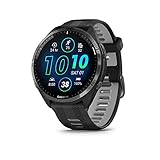 Garmin Forerunner 965
 AMOLED multisport with the training-load and threshold metrics most of these sessions assume you can see day to day.
Check price on Amazon → COROS APEX 2 Series GPS Watch
 Sapphire titanium and the longest battery in its class, which is the deciding feature once a day out runs past a few hours.
Check price on Amazon → Favero Assioma Uno Power Meter Pedal
 Single-sided pedal power, the cheapest honest entry into training with watts rather than estimating from heart rate.
Check price on Amazon →As an Amazon Associate we earn from qualifying purchases, at no extra cost to you.