Black Canyon Ultras is the marquee desert ultra of the Aravaipa Running calendar — held the second weekend of February in central Arizona, with a 60K and a 100K distance. Course runs from Black Canyon City along the Black Canyon National Recreation Trail. ~5,500 ft of climb (60K) / ~6,500 ft (100K). Mild February weather, runnable single-track. Most importantly: the 100K is a Western States Golden Ticket race — top finishers earn auto-entry to WSER.
The course
Net-downhill point-to-point along the Black Canyon Trail. Saguaro cactus, desert washes, exposed ridges, and runnable single-track that rolls more than it climbs. Most of the course sits between 2,000–3,500 ft elevation. February daytime highs typically 60–75°F; mornings can be cold (30s).
By the numbers
- Distances: 60K and 100K
- Vert (60K): ~5,500 ft
- Vert (100K): ~6,500 ft
- Vert per mile: ~95–105 ft/mi (very runnable for a desert ultra)
- Cutoff: 12 hours (60K) / 17 hours (100K)
- Date: Second Saturday of February
The Golden Ticket angle
Top finishers in the 100K (typically top 2 men, top 2 women) earn an automatic entry into the Western States Endurance Run that June. This makes Black Canyon the most competitive 100K in North America — fast Western States hopefuls show up to chase the ticket. Sub-9-hour finishes are required to be in the conversation.
How to qualify and enter
Open registration via Aravaipa Running. Fills in a few weeks. No qualifier required for the 60K; some recommended endurance background for the 100K. Charity bibs available.
Gear strategy
- Vest: 5–8L for the 60K, 8–12L for the 100K. Aid stations are well-spaced.
- Shoes: Hoka Speedgoat or Saucony Endorphin Edge — runnable course rewards cushion + roll.
- Hydration: heavy. Desert dryness is real even in February. 800 mg/hr sodium target.
- Sun protection: hat, sunglasses, light long sleeve. Exposed course.
- Layers: light long-sleeve baselayer for the dawn start; ditch by mid-morning.
The Black Canyon experience
Aravaipa runs the most polished events in American ultrarunning. Aid stations are stocked, on-time, and well-staffed. The desert in early February is genuinely beautiful — saguaros silhouetted against ridgelines, no bugs, mild temps. Most finishers describe it as the friendliest competitive ultra they've run.
What these sessions assume you are measuring with
Every pace, zone and power figure here needs something recording it. These three cover running, long days and the bike.
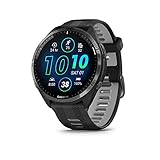 Garmin Forerunner 965
 AMOLED multisport with the training-load and threshold metrics most of these sessions assume you can see day to day.
Check price on Amazon → COROS APEX 2 Series GPS Watch
 Sapphire titanium and the longest battery in its class, which is the deciding feature once a day out runs past a few hours.
Check price on Amazon → Favero Assioma Uno Power Meter Pedal
 Single-sided pedal power, the cheapest honest entry into training with watts rather than estimating from heart rate.
Check price on Amazon →As an Amazon Associate we earn from qualifying purchases, at no extra cost to you.