Sub-24 at a 100-mile race is a meaningful threshold. It earns you the silver buckle at Western States and Leadville. It separates "trained" finishers from "trained-and-fast." And it's mostly a discipline test, not a fitness test — most runners with the fitness to break sub-24 don't, because they make one of three pacing mistakes.
The math: 14:24/mi average
Sub-24 hours over 100 miles averages 14:24 per mile. That sounds slow until you remember it includes:
- Every aid station stop
- Every climbing-pace mile
- Every walked uphill
- Every dark-of-night moment of self-doubt
- Every gear change
"Moderate effort with no major breaks." That's the sub-24 equation.
The pacing curve that works
Miles 0–30: Easy
11:00–12:00/mi pace. This should feel insultingly easy. You're holding back. You'll be passed by runners doing 9:30 pace; let them. Most of them won't finish. Those who do will not be ahead at mile 80.
Miles 30–60: Steady
13:00–14:00/mi pace. The race is starting. Eat constantly. Hike every steep climb — running flat-pace climbs costs more than it gains.
Miles 60–80: Honest
14:00–15:30/mi pace. This is where the race lives. The runners who held back early are picking up positions. The runners who went out hot are walking the descents. Stay disciplined; eat at every aid station.
Miles 80–100: Mostly hike, run when you can
15:00–17:00/mi pace. Walk the climbs. Run the descents and flats. The buckle is earned in this section. A sub-24 finish often means hiking 30% of these last 20 miles — but hiking them aggressively, with intent.
Aid station discipline — the hidden 30 minutes
Six minutes at twelve aid stations is 72 minutes. That's an entire hour of your sub-24 budget. Cut it to three minutes per stop and you save half an hour. Crewed runners save more.
The aid-station NASCAR pit-crew protocol:
- Crew has chair, food, and refilled vest ready when you arrive.
- Sit immediately. Don't ask for what you want; crew hands you food.
- Eat while crew refills bottles, restocks pockets, replaces socks if needed.
- Set a 4-minute alarm. When it beeps, hand back vest, get up, walk out.
- Run the first 100 yards out of every aid station — not to be fast, to remind your legs how to run before the next mile.
The training week that produces a sub-24
Most sub-24 finishers peak around 80–90 mpw. That's not "100-mile training weeks." Volume matters less than:
- Quality long runs at race pace. Build long runs to include 8–12 mi at goal race pace (the 14:24 average). The body learns the pace.
- Vert specificity. Train on grade similar to the race. Western States hopefuls do 1,500+ ft/wk vert. Leadville hopefuls add altitude.
- Back-to-back long runs at the peak. 28/16 (44 weekend miles) is the workout that makes sub-24 possible.
- Race-pace work in week 14-16. One workout per week at goal race pace, building from 60-min to 90-min sustained efforts.
The single mistake that costs sub-24 attempts
Going out too fast. Most failed sub-24 attempts had the fitness — they just hit mile 30 in 5:30 (a 11:00/mi pace) when the conservative target was 6:00 (12:00/mi pace).
That extra 30 minutes "in the bank" is borrowed against your back-half. The runner doing 11:00/mi for the first 30 will fade to 16:00/mi or slower in the back half. Net finish: 25 hours.
The runner who held 12:30/mi for the first 30 (50 minutes off the leaders' pace) and held 14:30/mi for the back half (passing 30 people) finishes in 23:50.
Same fitness. Different race. The pacing decision in the first hour determines the buckle.
The mental game
Sub-24 is a 24-hour solo discipline test. You're talking yourself in and out of decisions every mile. Three rules:
- Trust the watch. Wear a sport watch with a target-pace bar. When you're "ahead of pace," let yourself slow down. The watch is right; your feel is wrong.
- Don't chase passers. Especially in the first 30 miles. The runners passing you at mile 12 are not your competition; they're showing you what not to do.
- Run from aid station to aid station, not from start to finish. The race is a series of 5-mile segments. Each one has its own pace, its own focus, its own goal. Sub-24 happens one segment at a time.
The buckle is real
The silver sub-24 buckle at Western States is heavier than the bronze. It hangs differently. The runner who earns one this year will tell you it weighs more than the buckle from their 2-hour-slower finish three years before.
It's a small thing — a piece of metal. But the discipline that earns it transfers to the rest of your running career, and to most things in your life. Sub-24 isn't athletic; it's executional. We hope you earn one.
What these sessions assume you are measuring with
Every pace, zone and power figure here needs something recording it. These three cover running, long days and the bike.
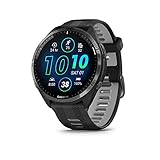 Garmin Forerunner 965
 AMOLED multisport with the training-load and threshold metrics most of these sessions assume you can see day to day.
Check price on Amazon → COROS APEX 2 Series GPS Watch
 Sapphire titanium and the longest battery in its class, which is the deciding feature once a day out runs past a few hours.
Check price on Amazon → Favero Assioma Uno Power Meter Pedal
 Single-sided pedal power, the cheapest honest entry into training with watts rather than estimating from heart rate.
Check price on Amazon →As an Amazon Associate we earn from qualifying purchases, at no extra cost to you.