Sweat Rate Calculator
The single most useful test in ultra training. Weigh yourself before and after a one-hour training run, plug in your fluid intake, and learn your actual sweat rate. The number that drives every hydration decision.
How to actually run the test
- Run for 60 minutes at your normal training effort, in similar conditions to what you'll race in (heat, humidity, terrain).
- Weigh yourself naked, before the run, immediately after using the bathroom. Note the number.
- During the run, drink a known volume of fluid. Bring 16 oz; weigh the bottle before and after; subtract.
- Don't urinate during the run. Don't take in solid calories during the test.
- Towel off all sweat before reweighing. Stand on the same scale, naked again.
- Plug the numbers into the calculator above.
Interpreting your result
- Light sweater: under 20 oz/hour. Lower hydration needs; can run further between aid stations safely.
- Average sweater: 20–32 oz/hour. The middle of the bell curve. Standard race hydration plans work.
- Heavy sweater: 32–48 oz/hour. Need careful aid-station planning + electrolyte loading. Hyponatremia risk if drinking water alone.
- Very heavy sweater: over 48 oz/hour. Meaningful race-day risk. Consider sodium-rich pre-load (Skratch Hyper Hydration) and accept that some races may be impossible to fully replenish.
The replacement rate
Your goal during a race isn't to fully replace lost fluid — that's impossible at high sweat rates and dangerous (hyponatremia). The target: replace 60–80% of your sweat rate, with sodium concentration matched to your sweat losses.
A 30 oz/hour sweater should drink 18–24 oz/hour during the race. A 45 oz/hour sweater should drink 27–36 oz/hour — and accept they'll finish with some fluid deficit.
The temperature variable
Sweat rate scales steeply with temperature. A runner whose sweat rate is 22 oz/hour at 65°F may sweat 38 oz/hour at 90°F. Test in race-day conditions. A cool-weather sweat rate test will under-prepare you for a hot race.
Practical workaround: test once in cool weather, once in heat. Use the higher number for race planning if your race is hot.
The hyponatremia caveat
Drinking too much plain water during long efforts dilutes blood sodium below safe levels (hyponatremia). Symptoms: nausea, confusion, swelling, in extreme cases seizure. Never drink "as much as you can" during an ultra. Match intake to sweat rate, and always include sodium (electrolyte drink, salt tabs, or both).
If you're losing weight during the run despite drinking heavily, you're sweating heavily — fine. If you're gaining weight or staying flat with high water intake, slow down on the water and increase sodium.
The honest summary
Sweat rate testing takes 90 minutes, costs nothing, and is the single most actionable hydration data point in ultra training. Most runners over-estimate or under-estimate by 30%+. Test it. Plan from the real number.
What these sessions assume you are measuring with
Every pace, zone and power figure here needs something recording it. These three cover running, long days and the bike.
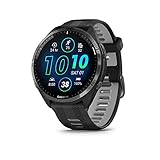 Garmin Forerunner 965
 AMOLED multisport with the training-load and threshold metrics most of these sessions assume you can see day to day.
Check price on Amazon → COROS APEX 2 Series GPS Watch
 Sapphire titanium and the longest battery in its class, which is the deciding feature once a day out runs past a few hours.
Check price on Amazon → Favero Assioma Uno Power Meter Pedal
 Single-sided pedal power, the cheapest honest entry into training with watts rather than estimating from heart rate.
Check price on Amazon →As an Amazon Associate we earn from qualifying purchases, at no extra cost to you.
Endure Weekly · Free
Subscribe to Endure Weekly.
A short, careful Wednesday letter for ultrarunners. Free Zone 2 guide on signup.
Wednesday mornings. Free Zone 2 Training Guide on signup. Unsubscribe anytime.
✓ Check your email. We just sent the welcome and your free Zone 2 Training Guide.