Off-season is the most under-rated training block in ultrarunning. Most runners either skip it (jump straight from race to next-cycle base building) or fake it (cut volume but keep intensity). Neither works. The runners who come back stronger the next year took a real off-season.
The case for a real off-season
Two things happen during an off-season that don’t happen any other time:
-
Connective tissue rebuilds. Tendon and fascial tissue heals on a 6-12 week timeline, not the 2-3 week muscle-recovery timeline. Skipping off-season means starting your next cycle with under-healed tendons.
-
Hormonal reset. A full season of training depletes cortisol regulation, testosterone (yes, even in women), and immune system markers. Off-season restores them. Skipping it means starting next cycle with a ~10% performance ceiling.
The runners who train year-round at high volume eventually plateau, get injured, or burn out. Off-season is the structural maintenance the body requires.
What “off-season” actually looks like
Four to eight weeks after your last A-race:
Week 1-2: No structured running. Walking, easy hiking, mobility work. Sleep aggressively. Eat normally (the body is asking for carbs and fats — listen).
Week 3-4: Easy running 20-30 mpw, no quality. All Zone 1-2. Strength work returns at low intensity. Different sports if you have them — bike, swim, climb, ski.
Week 5-6: 30-40 mpw, one short tempo per week (20 minutes). Strength work intensifies slightly.
Week 7-8: Build base for the next cycle — 40-50 mpw with one quality day. The next cycle has officially started.
The real off-season vs the fake one
Real off-season:
- Cuts running volume by 60-70% for at least 4 weeks
- No threshold or VO2 work
- Different sports
- Sleeps a real amount
- Eats normally
- Allows weight gain of 3-5 lbs (this is correct)
Fake off-season:
- Cuts volume by 20% but keeps tempo work “for fitness”
- Still tracks every run
- Tries to “stay race-ready”
- Maintains race-week eating habits
The fake off-season is the one that produces injury 3 months into next cycle. The body never got the recovery it needed; it gives up later.
The mistake that costs the next cycle
Returning to volume too quickly. You’ll feel fit at week 3 of off-season — better-rested than you’ve been in 6 months. The temptation: “I feel great, I should add some hard runs.” Don’t.
The first 4 weeks of off-season are non-negotiable rest, regardless of how good you feel. The “I feel fit” sensation is your body recovering from the last cycle, not preparing for the next one. Adding training in this window prevents the recovery you actually need.
What to do with the time
Off-season is also the part of the year where running shouldn’t dominate your identity. Things to do:
- Travel without a race attached
- Read books that aren’t running books
- Spend time with people who don’t run
- Cook real meals (you’ve been eating gels for 5 months)
- Sleep at the wrong times
- Drink wine (in moderation)
This sounds soft. It’s the structural maintenance that allows you to come back at 100% next March.
The runners who skip off-season
The runners who skip off-season have predictable trajectories: they stay at the same fitness level for 2-3 years, then either break (injury) or burn out (motivation). The runners who take real off-seasons compound year over year — adding fitness at a sustainable rate, staying injury-free, and racing well into their 60s.
The off-season is part of the training. Honor it. The next cycle depends on it.
What these sessions assume you are measuring with
Every pace, zone and power figure here needs something recording it. These three cover running, long days and the bike.
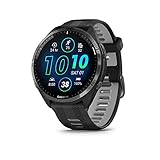 Garmin Forerunner 965
 AMOLED multisport with the training-load and threshold metrics most of these sessions assume you can see day to day.
Check price on Amazon → COROS APEX 2 Series GPS Watch
 Sapphire titanium and the longest battery in its class, which is the deciding feature once a day out runs past a few hours.
Check price on Amazon → Favero Assioma Uno Power Meter Pedal
 Single-sided pedal power, the cheapest honest entry into training with watts rather than estimating from heart rate.
Check price on Amazon →As an Amazon Associate we earn from qualifying purchases, at no extra cost to you.