Most ultras are won and lost in the first 30 minutes. Not because of fitness, pacing strategy, or fueling — but because of what your body and brain do at the start that you didn’t plan for.
What’s actually happening in the first 30 minutes
1. Your heart rate is wrong. Pre-race adrenaline elevates resting HR by 10–25 bpm. The first 10 minutes of the race, your HR is reading 15–20 bpm higher than it should for the effort. This is the trap. You feel “in the zone” because the HR is high; you’re actually running too easy for that HR. By minute 30, the adrenaline is gone, the HR drops, and now you’re running too hard for the new HR.
2. The pack is moving 15% too fast. First-mile pace at almost every ultra is about 15% faster than the leader’s overall race pace. Almost everyone in the field is running too fast. The “everyone is going this pace, so it must be fine” instinct is wrong. The whole field is making a mistake at the same time.
3. Your legs feel heroic. A taper plus a fresh start plus race-morning excitement makes legs feel powerful in a way they won’t feel again all day. The temptation to “use the fitness while you have it” is the single most common ultra-pacing mistake.
4. Your stomach hasn’t started working yet. It takes 20–40 minutes for race-morning food to digest and for your stomach to enter race-day rhythm. If you eat in the first 15 minutes, you’re often layering food on top of un-emptied breakfast. If you wait until minute 45, you’ve already missed your first proper fueling window.
What to do, exactly
1. Walk the first hill. Even if it’s a small hill, even if other runners are running it, even if you have legs to run it — walk it. The walk does three things: drops your HR back to where it should be, signals to your brain that this is going to be a long day, and saves you from the social pressure of the front-of-the-pack pace.
2. Run by feel, not by pace. Don’t look at your watch. Run by perceived effort. The effort should feel like a long warmup — almost insultingly easy. If it feels like race effort, slow down.
3. Eat at minute 30. Set a watch alarm. Eat 100–150 calories regardless of how you feel. The runners who don’t eat in the first hour are the runners bonking at hour 6. Hunger is a delayed signal; you don’t need to feel hungry to need food.
4. Drink steadily, not heroically. Sip water every 5–10 minutes. Don’t chug at minute 30 because you “haven’t drunk yet.” A chug at minute 30 is a stomach problem at minute 45.
5. Practice your aid-station behavior. The first aid station is a rehearsal for all the future aid stations. Walk in, eat one thing, refill water, walk out. 90 seconds maximum. The runners who spend 6 minutes at aid station #1 will spend 8 minutes at aid station #5 and 12 minutes at aid station #9. Set the standard early.
6. Don’t look at your splits. Some runners obsess over their first-mile pace, their first-aid-station time, their position relative to last year’s race. Don’t. The first 30 minutes are not predictive of the race. The race starts somewhere around mile 40.
What not to do
-
Don’t do the “I’ll bank time early” math. It doesn’t work. The interest rate on banked time is 200%. A minute saved in the first hour costs two minutes in the last hour.
-
Don’t run with someone you don’t know. A new running buddy in the first 5 miles is a pacing partner whose plan you don’t know. Run your own race.
-
Don’t take off your hat / vest / jacket at minute 5. Wait. Your body’s about to settle. The clothing decision you make at minute 30 is the right one; the clothing decision you make at minute 5 is the wrong one.
-
Don’t skip the first aid station. Even if you don’t need water, even if you have plenty of food, walk through the first aid station. Drink something. Eat something. Practice the routine.
The discipline rule
If you finish the first 30 minutes feeling like you held back too much — like you’re behind where you “should” be — you paced correctly. If you finish the first 30 minutes feeling fast and heroic, you’re going too hard. The right feel for the first 30 minutes is mild boredom.
The runners who win ultras don’t run heroic first half-hours. They run boring first half-hours. The heroics come at mile 80, when the runners who burned the first 30 minutes are walking and the disciplined ones are still running.
What these sessions assume you are measuring with
Every pace, zone and power figure here needs something recording it. These three cover running, long days and the bike.
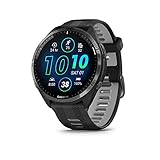 Garmin Forerunner 965
 AMOLED multisport with the training-load and threshold metrics most of these sessions assume you can see day to day.
Check price on Amazon → COROS APEX 2 Series GPS Watch
 Sapphire titanium and the longest battery in its class, which is the deciding feature once a day out runs past a few hours.
Check price on Amazon → Favero Assioma Uno Power Meter Pedal
 Single-sided pedal power, the cheapest honest entry into training with watts rather than estimating from heart rate.
Check price on Amazon →As an Amazon Associate we earn from qualifying purchases, at no extra cost to you.